
Navigating Parking rules Greece can feel like a sport—it requires a mix of following the rules, understanding the local "creative" culture, and knowing the color codes.
1. The Color Code (Street Markings)
 The most important thing to look at is the paint on the curb or the road surface:
- White Lines: Generally mean free parking or visitor parking (depending on the city). In Athens and Thessaloniki, white lines often designate paid zones for visitors where you must pay via an app or kiosk.
- Blue Lines: Usually reserved for local residents only. Tourists/visitors parking here risk a fine or having their license plates removed. (Note: In some cities, blue means paid parking for everyone—always check the nearby signage).
- Yellow Lines: Strictly Prohibited. These areas are reserved for emergency vehicles, buses, taxis, or commercial loading zones. Parking here almost guarantees a ticket or a tow.
2. General Prohibitions
 Parking rules Greece, Even if there are no lines, it is illegal to park:
- Within 5 meters of an intersection.
- Within 15 meters of a bus or tram stop.
- Within 3 meters of a fire hydrant.
- Within 5 meters of a Stop sign or traffic light.
- On sidewalks or pedestrian ramps (a common offense that carries a €150 fine).
3. Fines and Penalties
The Greek police are known for a unique (and effective) penalty: removing your license plates. * Standard Fine: Typically €80, but for serious offenses (like parking on a disabled ramp), it can jump to €150.
- The "50% Discount": If you pay your parking fine within 10 days, the amount is usually reduced by 50%.
- License Plate Removal: For illegal parking in high-traffic areas, police may unscrew your plates. You cannot leave the country or return a rental car without them, and you must pay the fine at a local post office or police station to get them back.
4. Special Exemptions (Electric Vehicles)
Through the end of 2026, Greece has extended free parking for electric vehicles (EVs) and low-emission vehicles (under 50g CO2/km) in municipal parking lots.
5. Essential Tips for Travelers
- The "Whistle" Rule: In busy towns, traffic wardens often blow a loud whistle before they start writing tickets. If you hear one and you’re double-parked, move immediately!
- Private Garages: In cities like Athens, Thessaloniki, or Heraklion, street parking is a headache. Private "Parking" garages are affordable (usually €5–€12 for a few hours) and much safer for your rental car.
- The Island Shuffle: On smaller islands, rules are more relaxed, but never block a narrow road. If a local bus can't squeeze past your car, it will be moved—manually or otherwise.
Are you planning to drive in a specific city like Athens or headed to the islands? The rules for the "Green Zone" in Athens can be a bit more restrictive.Crete is Greece's largest island, a vast landscape of ancient Minoan ruins, dramatic mountain gorges, and world-class beaches. Whether you are staying in the bustling capital of Heraklion or the romantic harbors of the west, the island offers a deep dive into Mediterranean history and culture.
Iconic Historical Sites
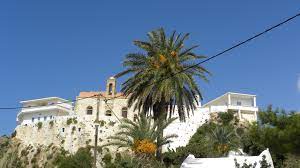 Crete was the center of Europe's first advanced civilization, and its archaeological landmarks are among the most significant in the world.
- This Bronze Age site near Heraklion is the legendary home of King Minos and the Minotaur's labyrinth. The partially restored ruins feature vibrant frescoes and complex multi-level structures.
- Widely considered one of the best museums in Greece, it houses the definitive collection of Minoan artifacts, including the mysterious Phaistos Disc and the iconic Snake Goddess figurines.
- A beautiful 16th-century Eastern Orthodox monastery that serves as a powerful symbol of Cretan resistance. It features a striking Venetian-style facade and peaceful courtyard.
Breathtaking Nature & Beaches
The island’s diverse geography ranges from high-altitude plateaus to exotic coastal lagoons that look more like the Caribbean than Europe.
- Located on the southwestern tip, this protected area is famous for its shimmering pink sand—created by crushed seashells—and shallow turquoise waters that allow you to wade to a nearby islet.
- Accessible by ferry or a rugged hike, the Balos lagoon offers stunning views of white sand and vivid blue water against a dramatic rocky backdrop.
 Parking rules Greece
One of Europe’s longest canyons, this 16-kilometer trek through is a must for hikers. It winds through vertical cliffs and narrow passages, ending at the Libyan Sea.
Charming Coastal Towns
 The northern coast is dotted with historic cities that blend Venetian and Ottoman architecture with modern Greek life. Parking rules Greece.
- Chania’s old town is a labyrinth of narrow alleys and colorful buildings. The harbor is perfect for sunset strolls, lined with tavernas and a 16th-century lighthouse.
- Slightly smaller and more intimate than Chania, Rethymno features cobbled lanes, elegant fountains, and a massive Venetian fortress overlooking the sea.